Nara Labs
Intelligence for theworld we live in.
We build AI systems that develop persistent understanding of real environments — observing what changes, reasoning with context, taking action, and learning over time.
01 / Flagship
Nara
The home intelligence that knows your home and takes care of it.
Nara builds a living understanding of your home — its systems, history, changing state, and what happens over time.
Explore Nara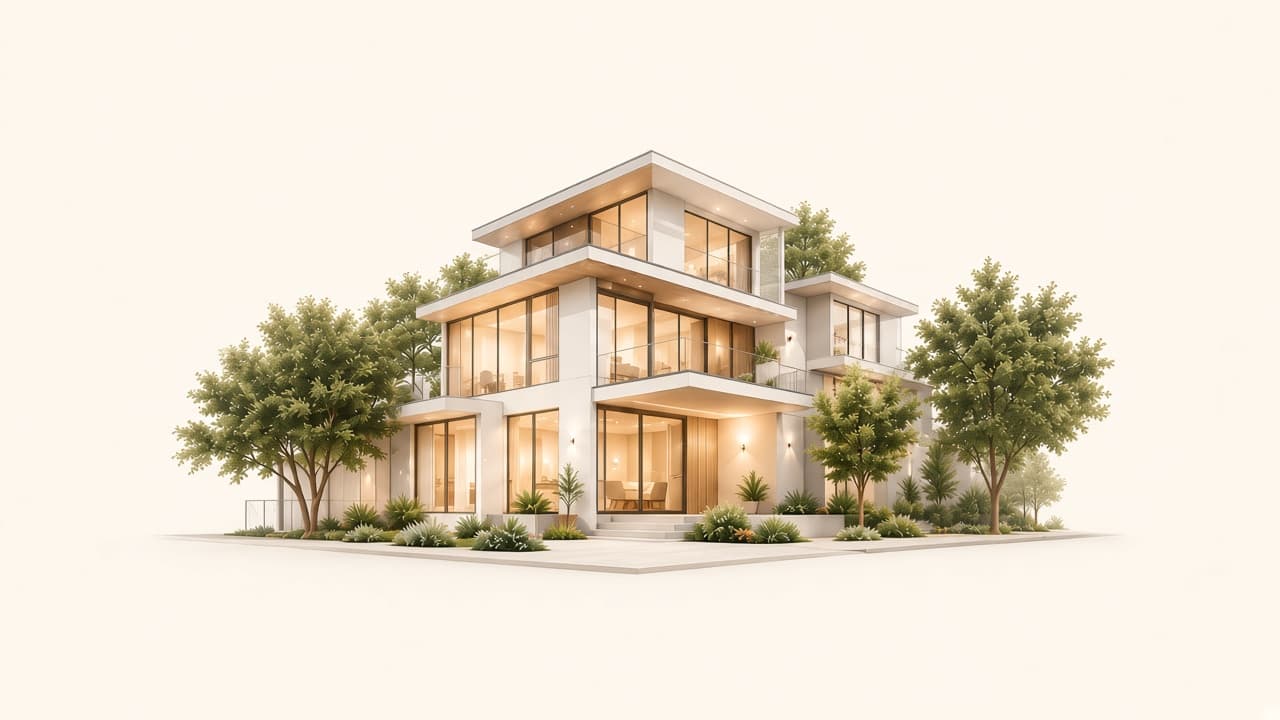
HVAC
KnownWater
LearningElectrical
Learning
The Thesis
Beyond the prompt.
Today's AI is remarkably capable inside a conversation. But the world outside the conversation is persistent, changing, and interconnected.
We build systems designed to understand what persists between interactions — what changed, what happened before, what matters now, and what should happen next.
01
State
The world doesn't reset between prompts.
02
Context
Meaning depends on what happened before and what is changing now.
03
Action
Intelligence becomes useful when it can change what happens next.
04
Learning
Every verified outcome can improve the system's understanding of its environment.
Primitives
- Persistent state
- Multimodal observation
- Context models
- Reasoning under uncertainty
- Human authorization
- Agentic action
- Outcome verification
- Learning loops
02 / From the Lab
From the Lab
Experiments in persistent intelligence across different environments.
- CommercialAI growth intelligence for high-intent customer signals
ReadyLead
2nd Place · YC AI Growth Hackathon - ResearchConversational decision engine for financial and life decisions
Ahead
- ExperimentAI-native operating system for product teams
Local PM OS
- CommercialTurn educational content into an interactive AI tutor
ProbeIQ
- Nara selected for AI Collective Demo Night
2nd Place @ YC AI Growth Hackathon
Shipped ReadyLead
Built ProbeIQ
Built Local PM OS
Shipped Ahead iOS